
We were sad to say goodbye to La Paz last week, but the homeland was calling, and we knew if we stayed much longer Sean would descend even further into his Mexican Coca-Cola addiction. We said our farewells and hit the road, heading back the way we came.
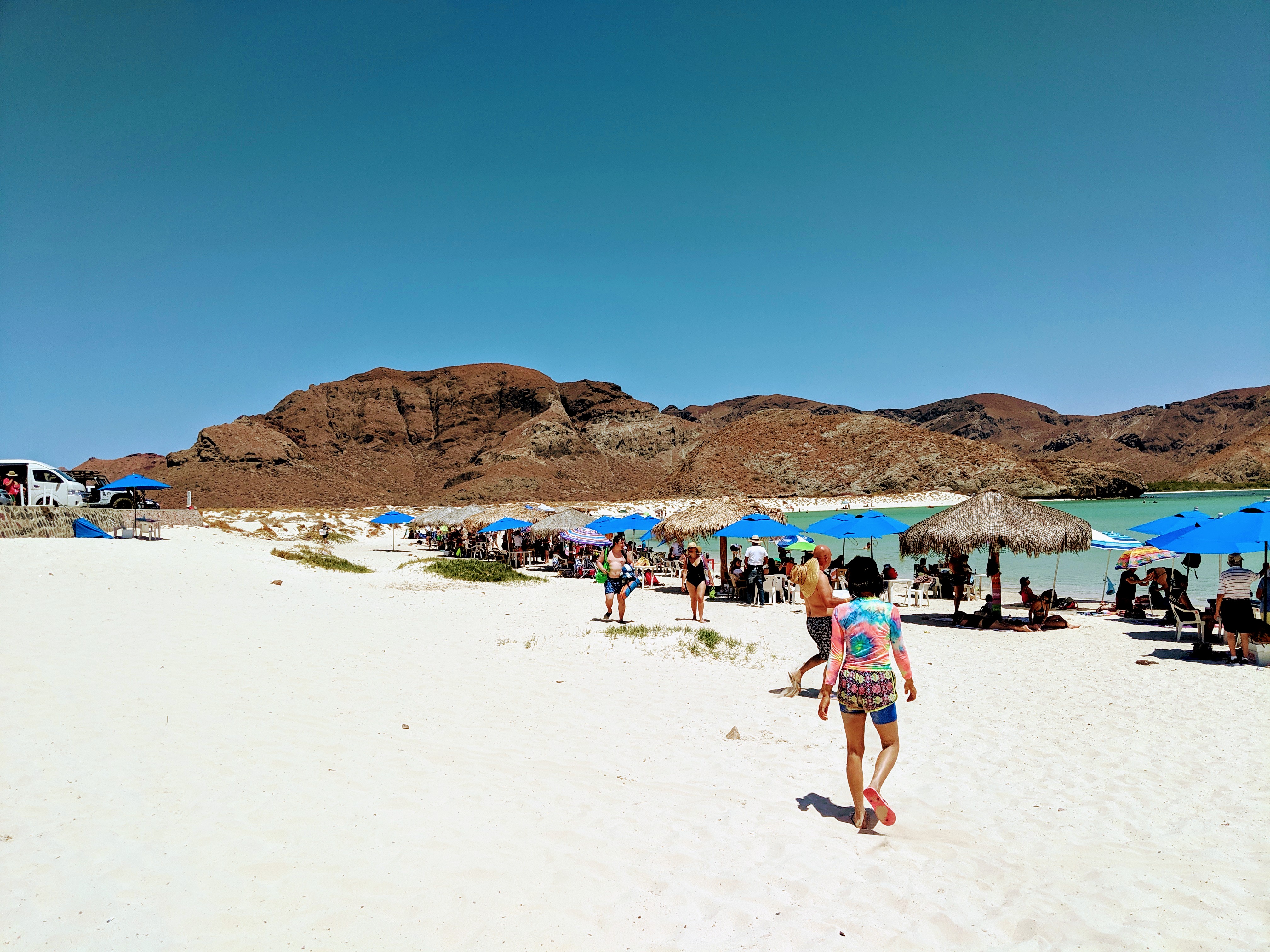
Well, more or less the same way — I confess there was one instance where I neglected my navigational duties and took us down a country road that soon turned to gravel. By the time we realized my mistake, we’d gone too far to backtrack, and before long the gravel turned to large rocks — some of them menacing enough that I had to jump out of the car and hurl them out of the way to ensure that Watermelon’s dainty underbelly could proceed unscathed. It wasn’t that close to sunset and we weren’t that low on gas, and we did end up making it to our hotel with plenty of time to spare, but let’s just say we both spent a lot of time thinking about how we’d survive in the desert if it came down to it.
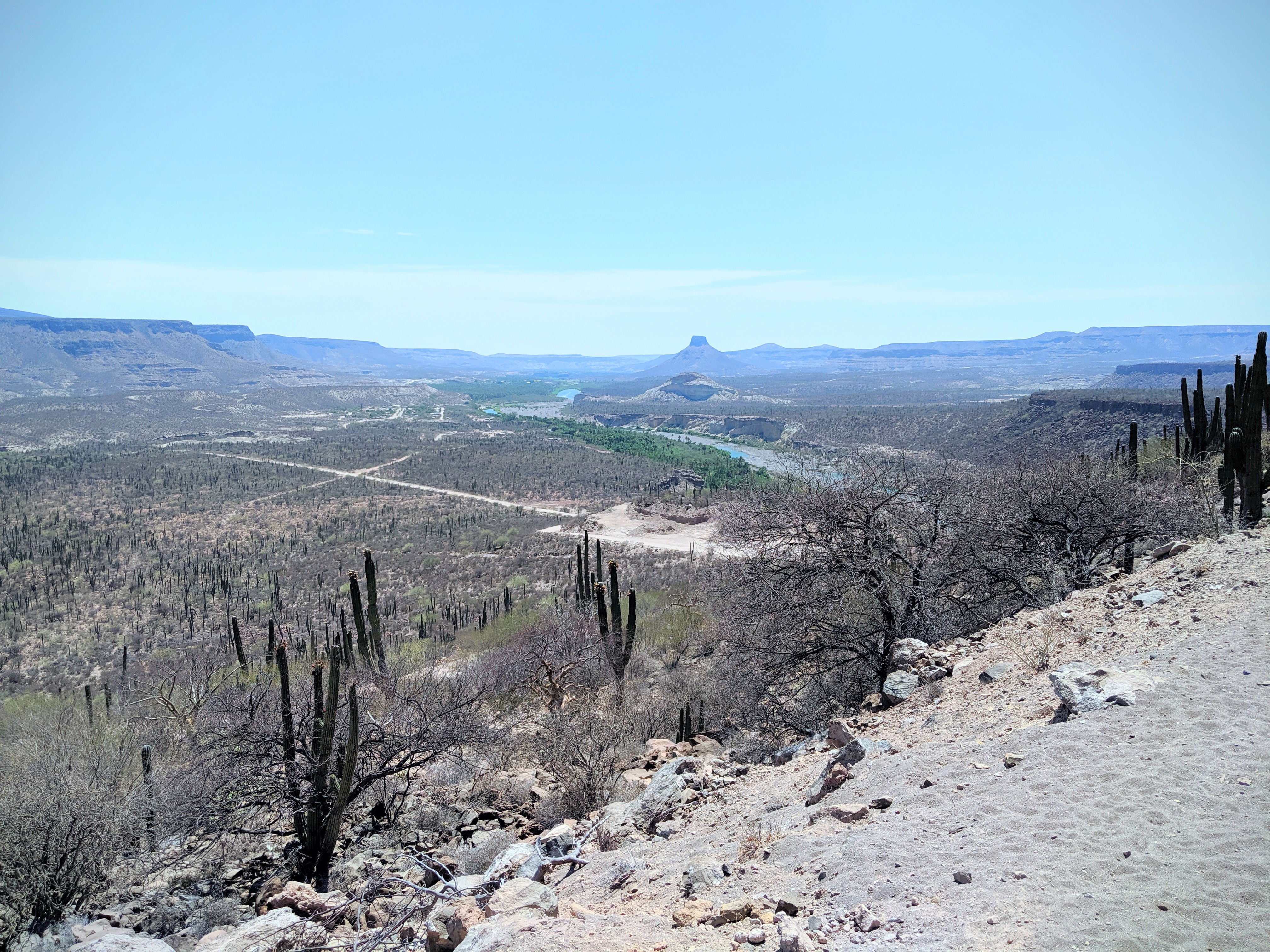
Other than that, the drive up was fairly uneventful, although we did discover that military checkpoints are considerably less nonchalant when you’re driving towards the States. It was a true test of our Spanish skills trying to explain to Mexican officials what all the weird crap in our car was. (Things like antihistamines and tarot cards and odor-eating charcoal bags just don’t come up very often in Duolingo lessons.)
Just shy of Tijuana, we hit an exciting milestone:
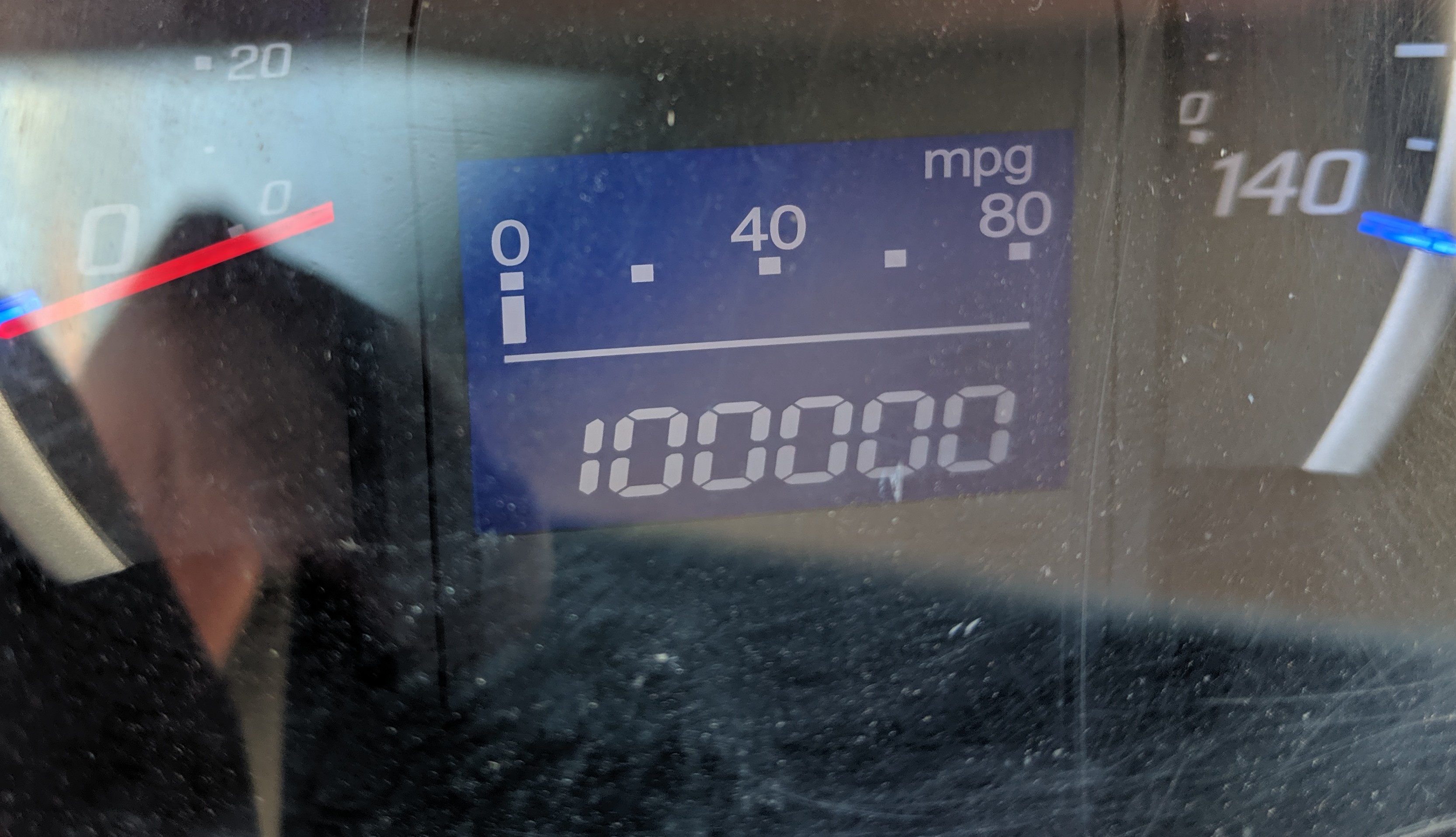
That’s right, Watermelon is now a ripe 100,000 miles old. Gifts aren’t necessary, but she’d love to get a card. Ziggy is always nice. A check would be fine too.
After spending the night in Tijuana, we made our slow way back across the border and drove to our next stop: Joshua Tree.
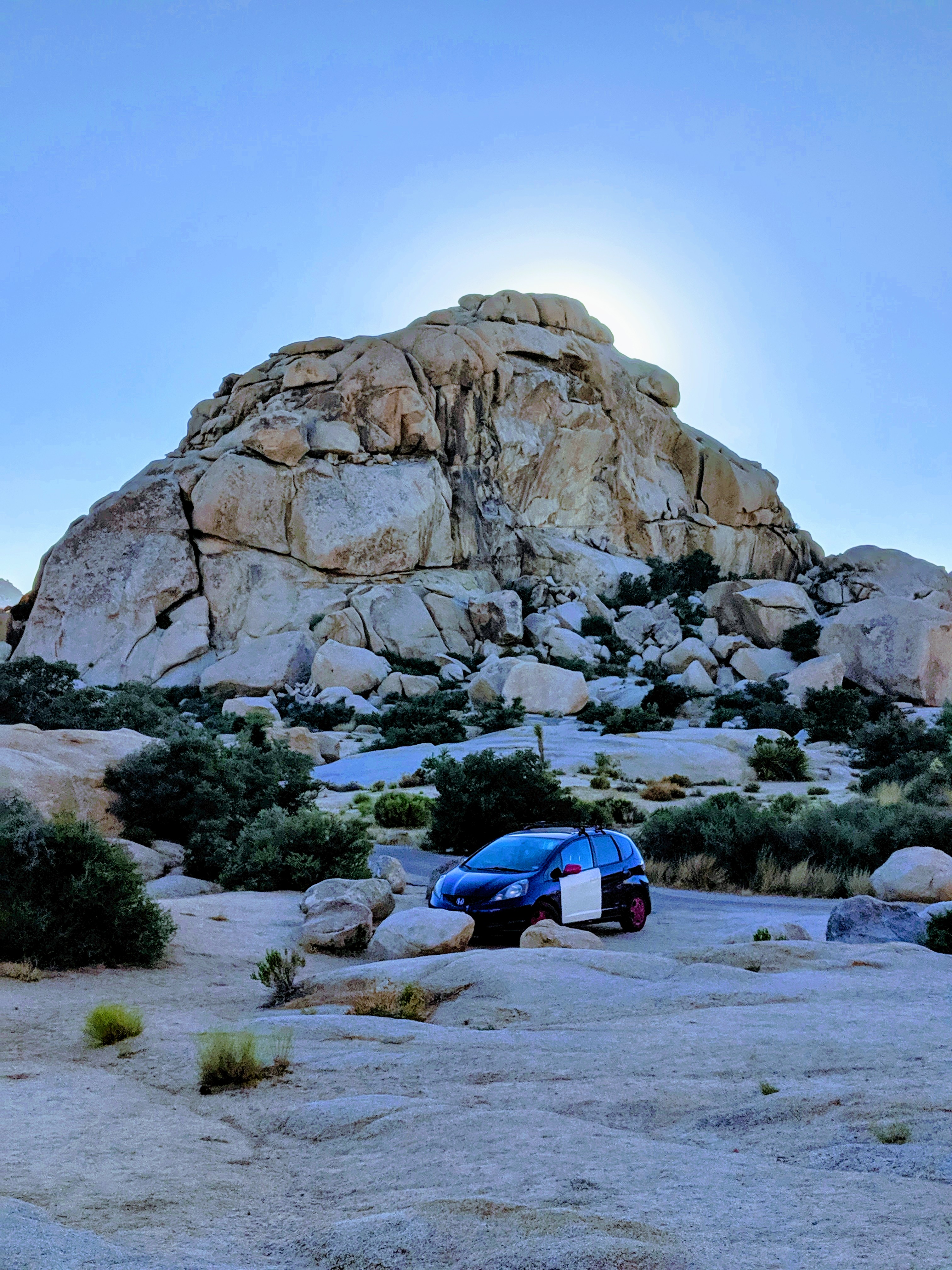
Even in the dead of summer, Joshua Tree was by far the most crowded park we’ve been to, but somehow it felt more remote and pristine than anywhere we’d camped so far. Maybe it was the quiet: whereas the other campgrounds were filled with bird chatter or insect songs, in Joshua Tree we barely heard a wing flutter.
We did, however, have some uninvited guests.
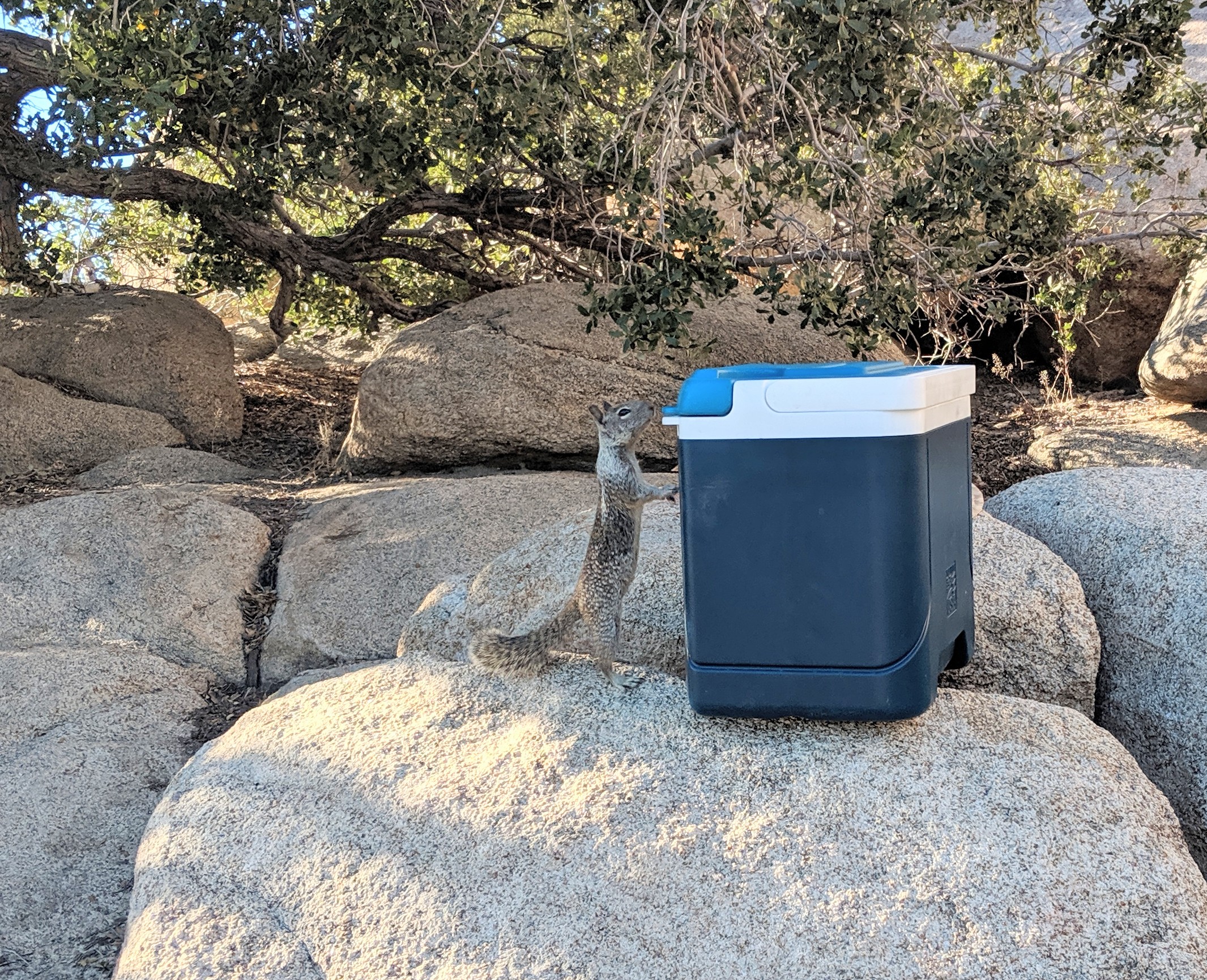
In fact, much of our time at Joshua Tree was spent waging a rodent war of Caddyshack proportions. Every time we turned around, these disturbingly brazen creatures were infiltrating our food, water, beer and coffee supplies. They managed to devour an entire bag of guacamole chips, which I was hoping would at least cause them some mild intestinal discomfort, but it seemed only to cement their conviction that we wanted desperately to feed them and needed only to be shown how.
Nevertheless, after securing our comestibles, we managed to get in some very scenic hikes. I don’t know anything about rocks, but the ones in Joshua Tree look like giant pebbles stacked by a daydreaming child, piled in such improbable configurations that you can’t help but see whimsical shapes in them. It’s not unlike staring at a bunch of clouds.
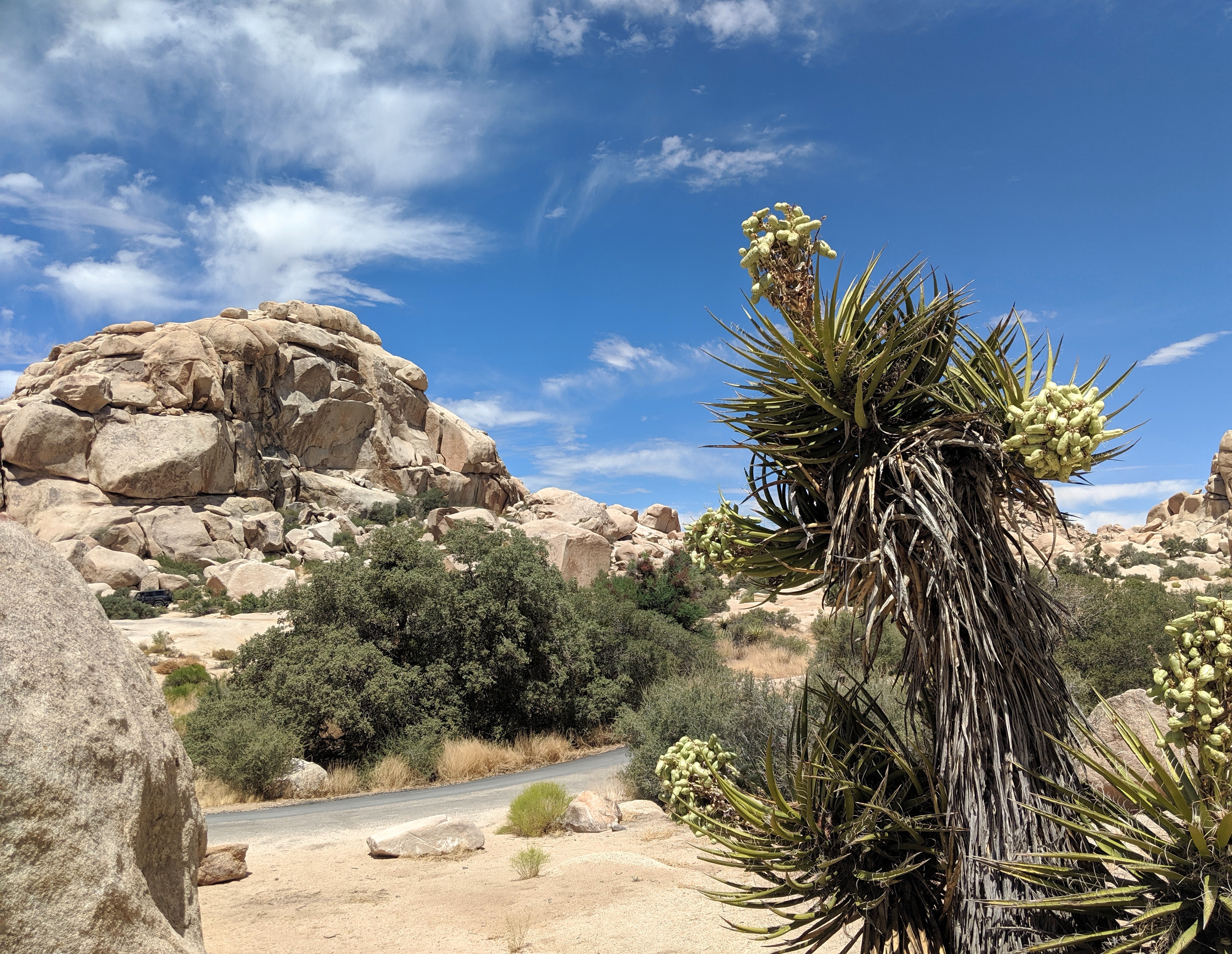
The trees themselves are equally tempting to the imagination — they seem to be frozen midway through some frantic gesture, like hands grasping at the sky. They also have surprisingly shallow roots, so you frequently see them listing at precarious angles or collapsed entirely in the sand, like a desert traveler crawling towards water.
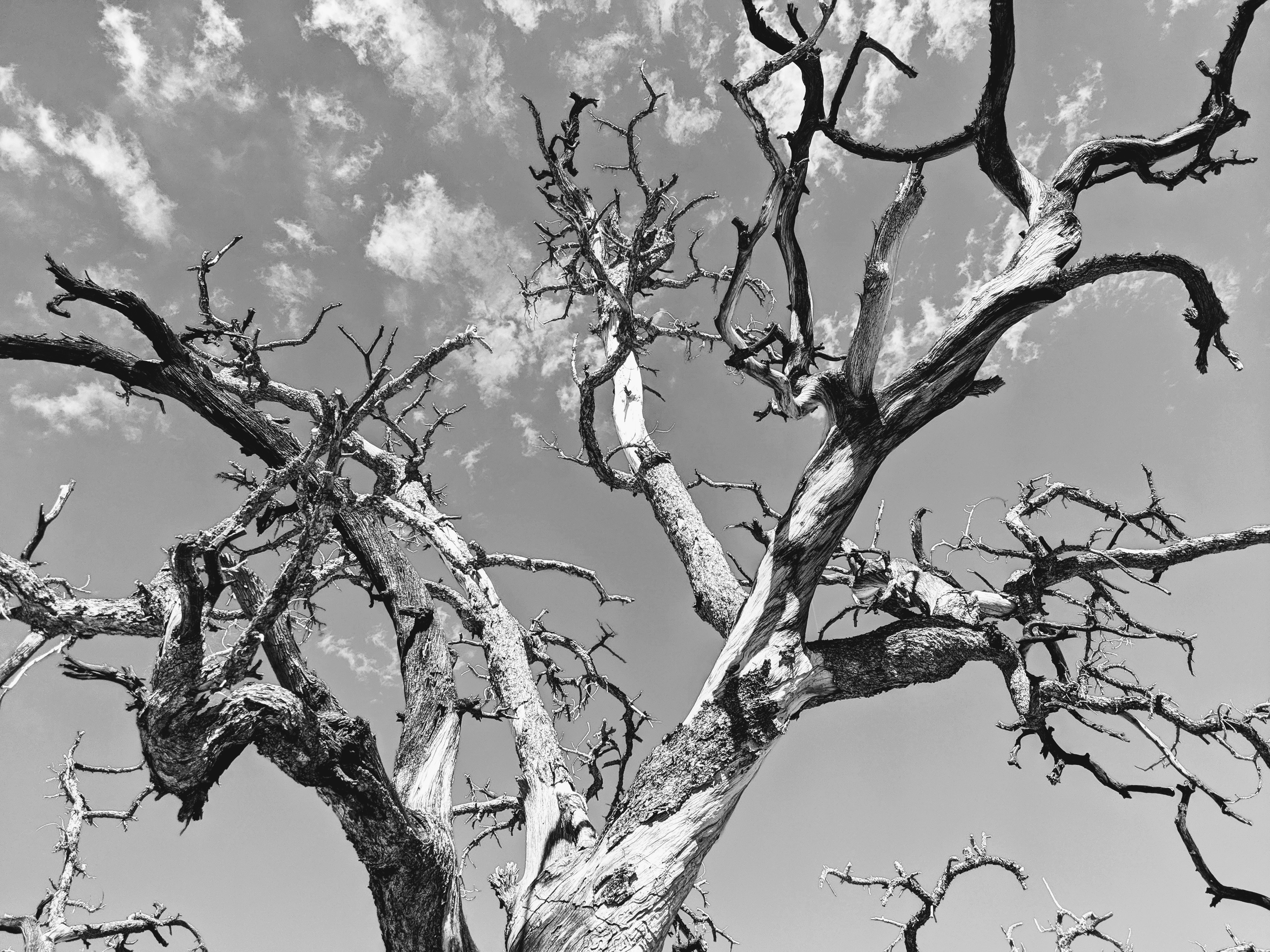
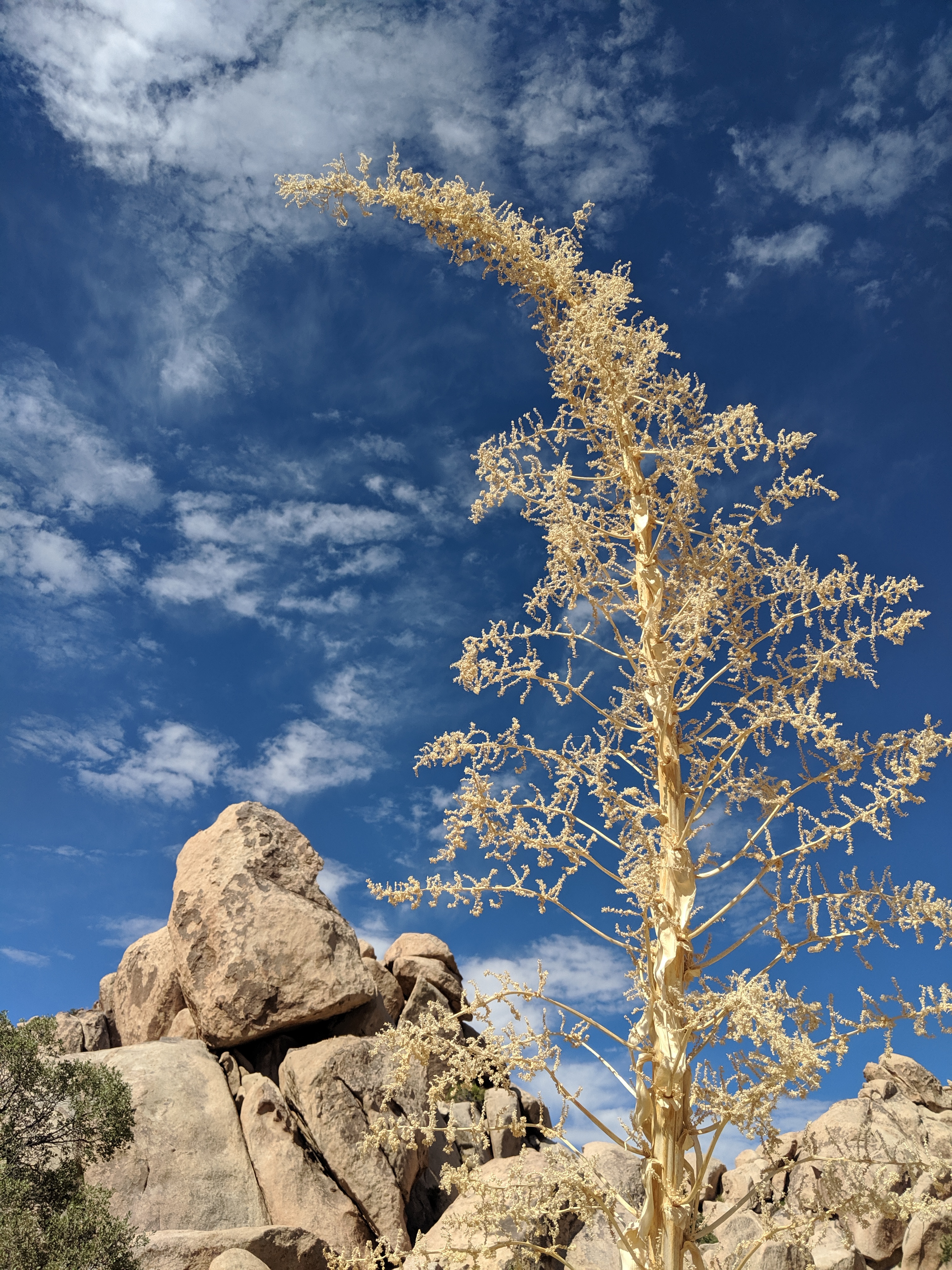
We kept these hikes short, however, because as soon as the shadows receded under the scorching mid-day sun, we were like ants under a magnifying glass. On our first day I made the mistake of trying to prepare lunch at noon and nearly burned myself on the silverware I’d set on the picnic table just seconds before.
For those particularly punishing hours, Sean and I ventured into town to explore. On the main drag we found a little gathering of weird galleries and shops, and we happened across a loosely defined outdoor art space that featured a spaceship-like construction with revolving disco boulders.
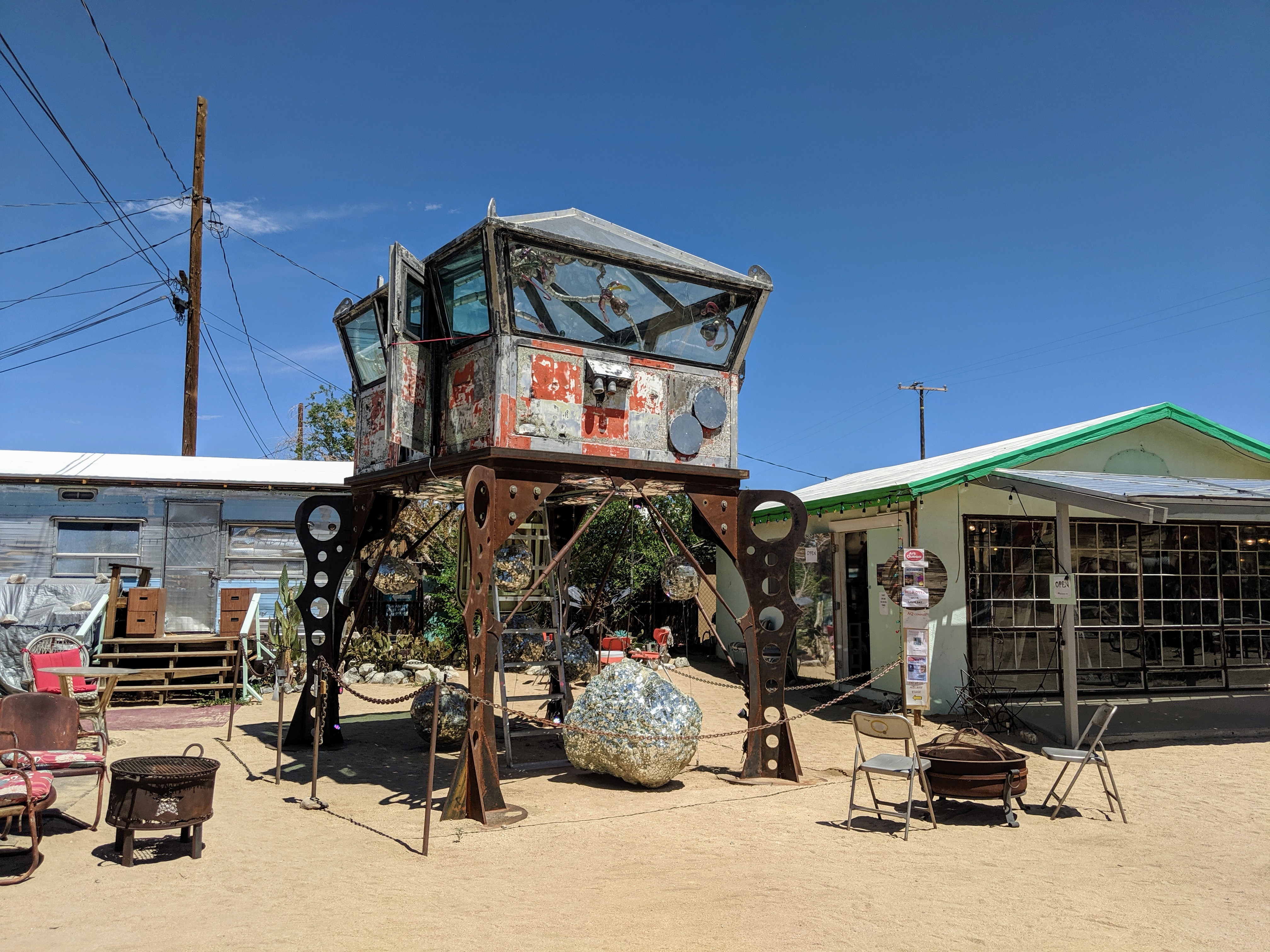
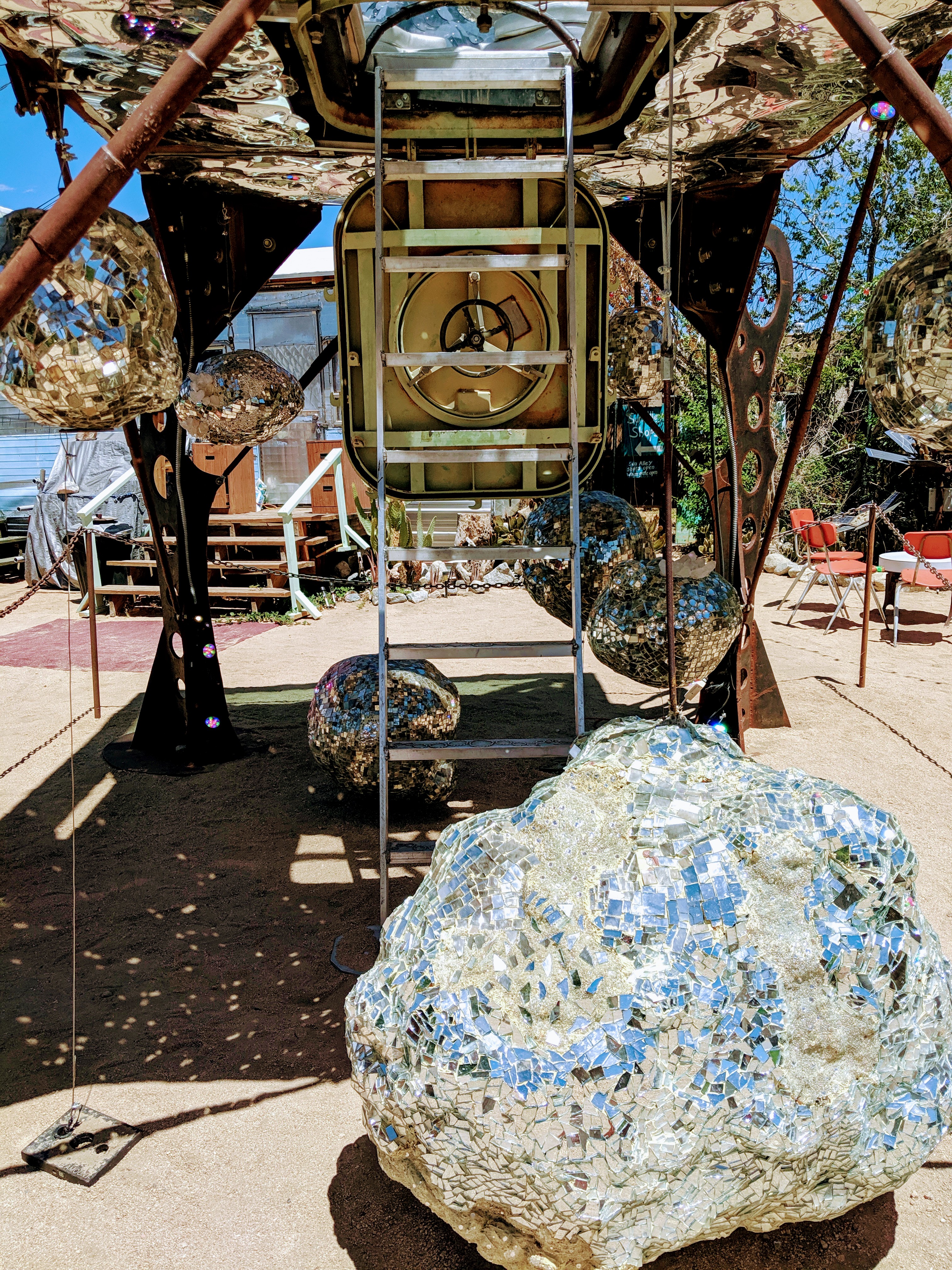
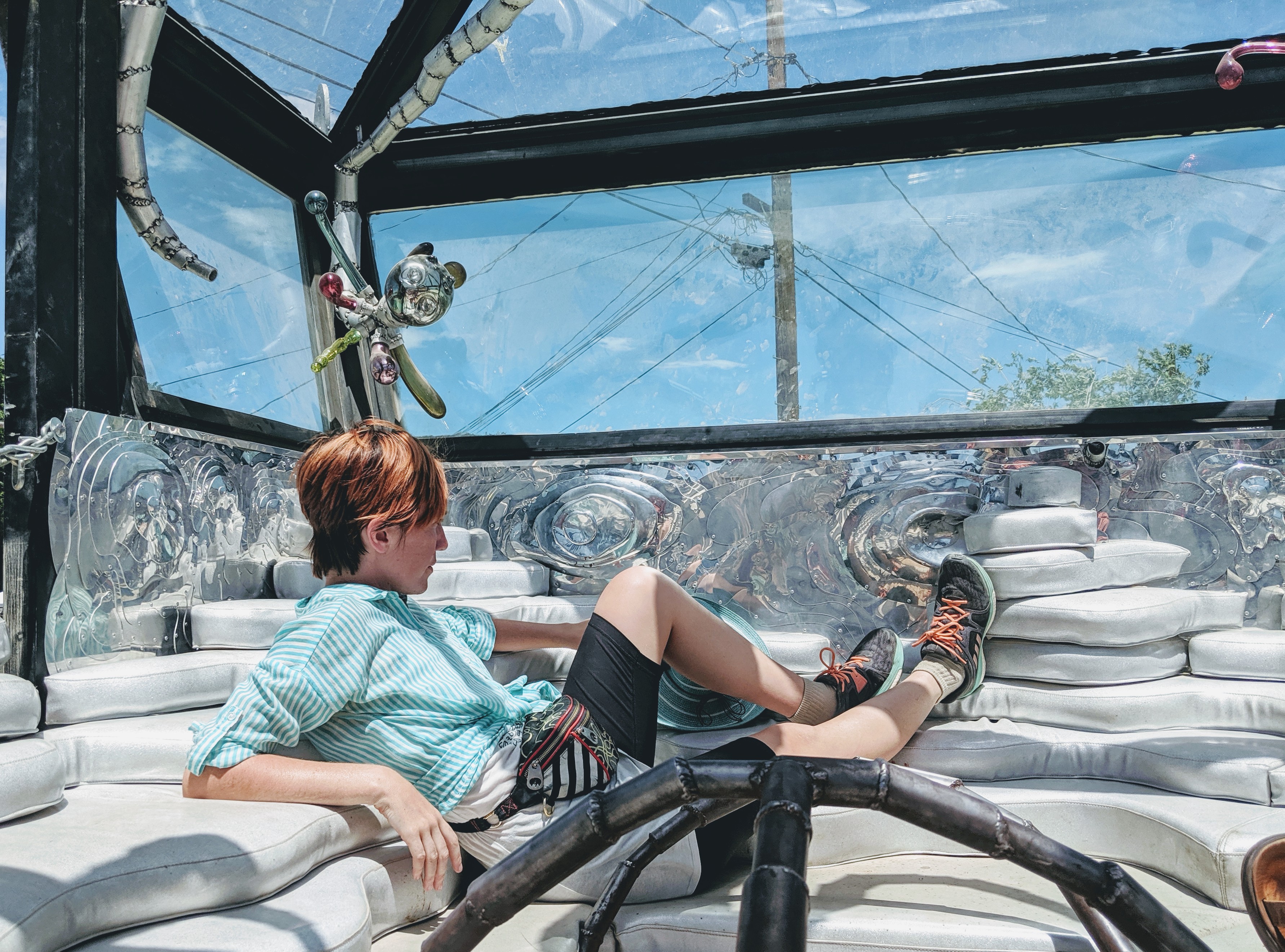
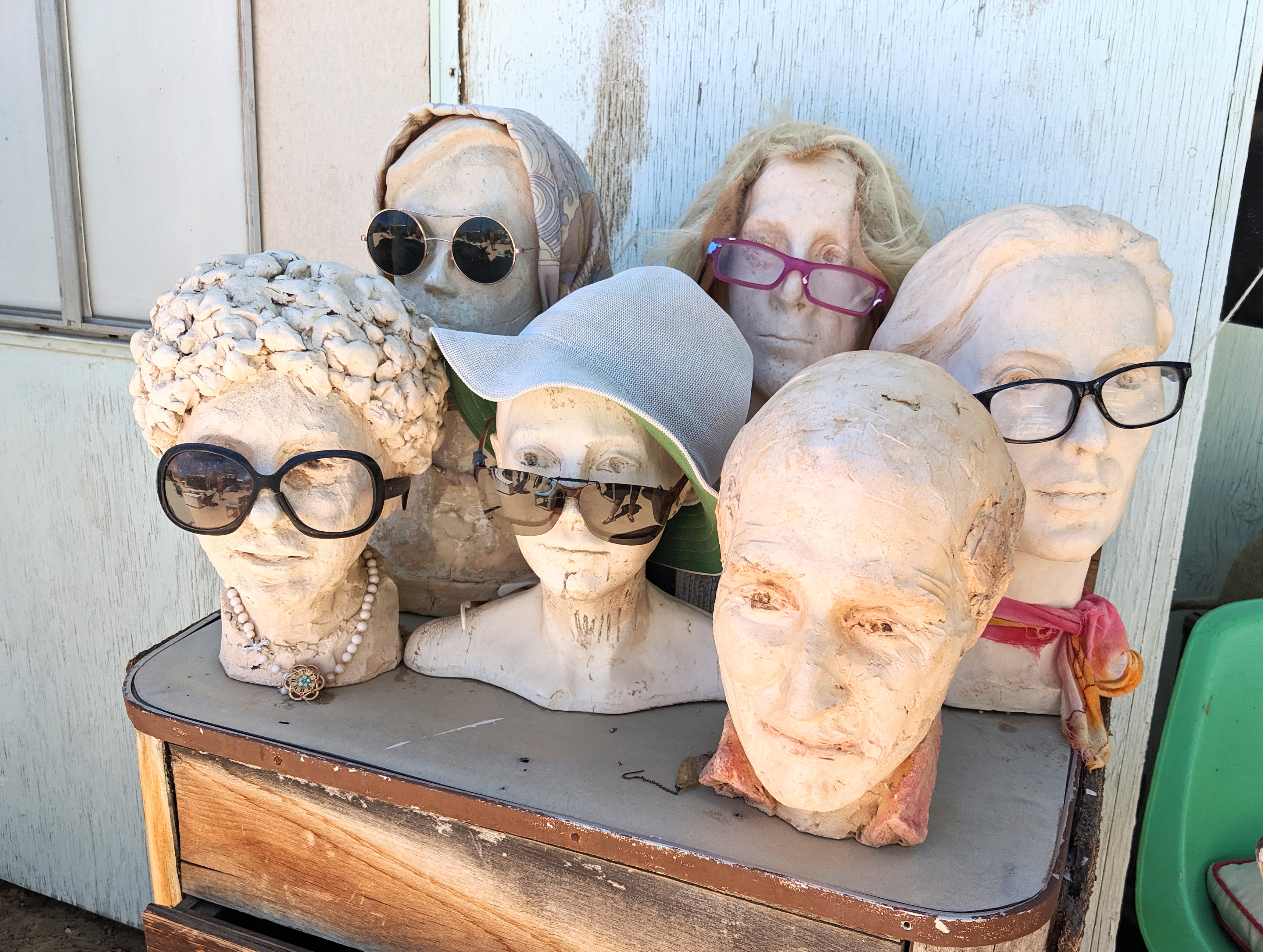
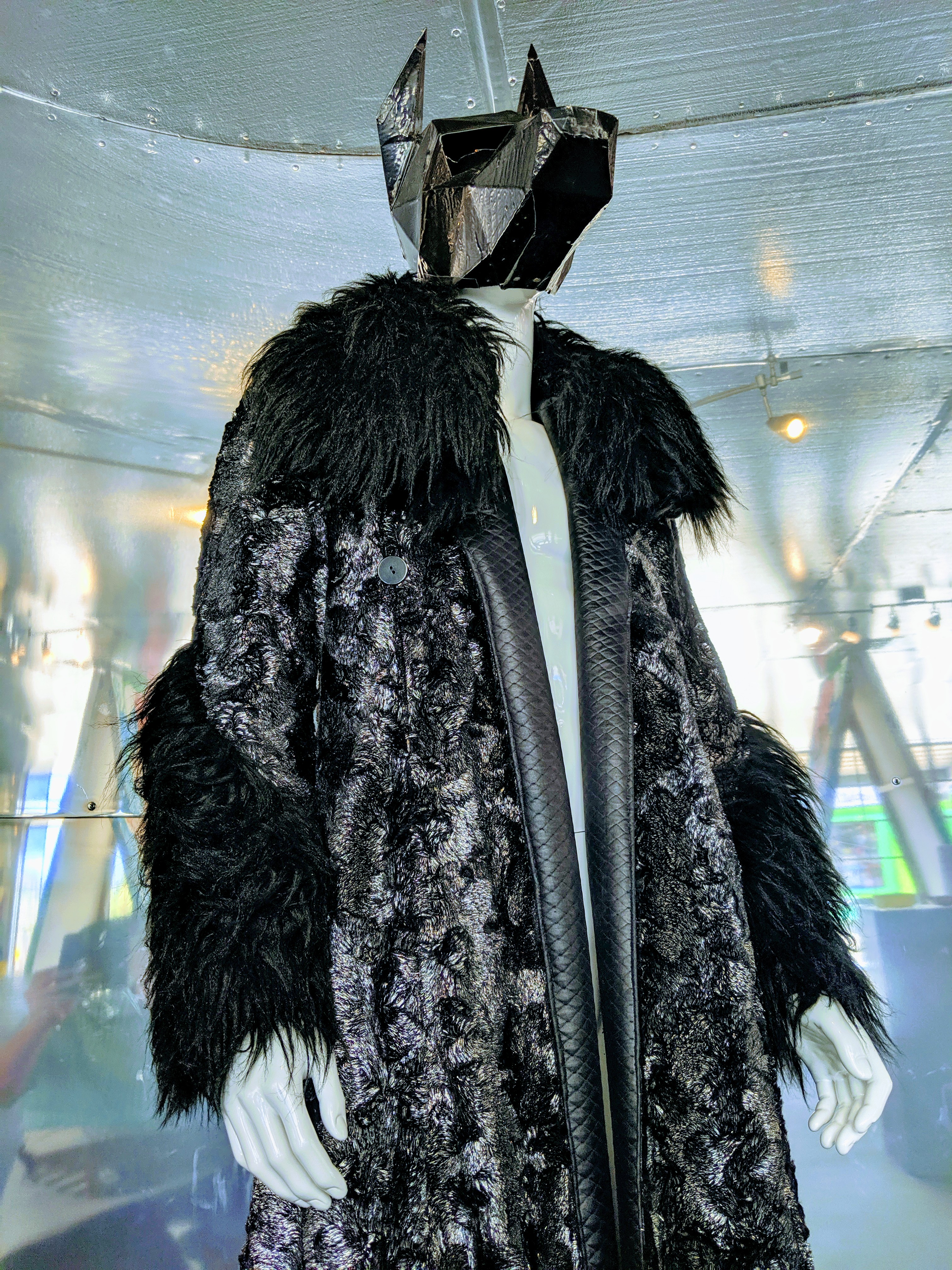
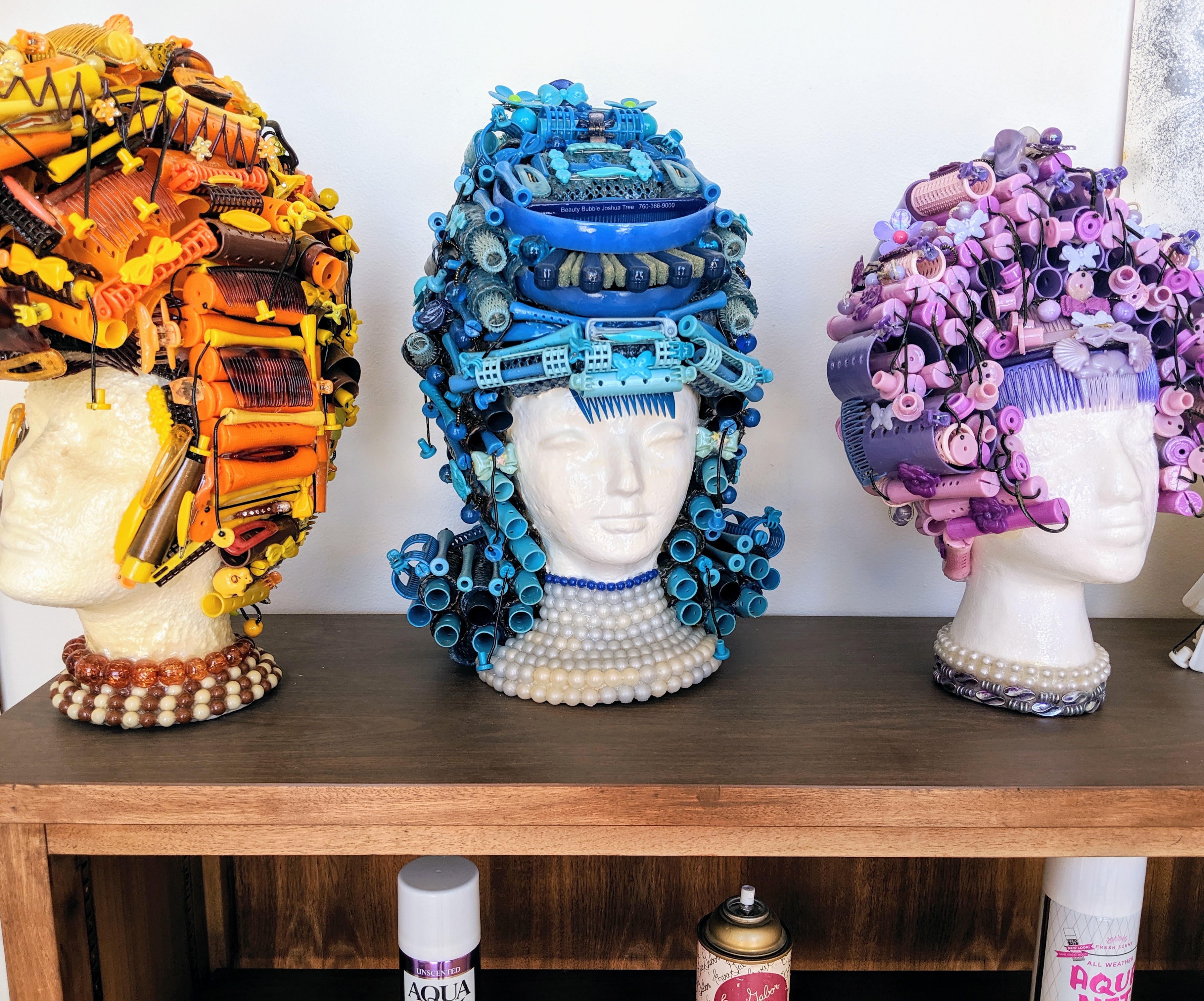
All the people we talked to (except the mannequins) was friendly and helpful, giving us suggestions for coffee-shops, bars, galleries, and tourist attractions. Following one tip, we drove out to a little Old West village called Pioneertown, which has served as a film set for famous westerns over the years such as, I kid you not, “The Gay Amigo.” The town is also home to a famous bar called Pappy and Harriet’s, which, in spite of its remote location, boasts such big names as Paul McCartney and Lorde in its roster. (We didn’t see any superstars, but their nachos were divine.)
After Joshua Tree, our trajectory will take us steadily Northward, which will bring a welcome change in climate. I love the desert, but we only have so many layers of skin left between the two of us.
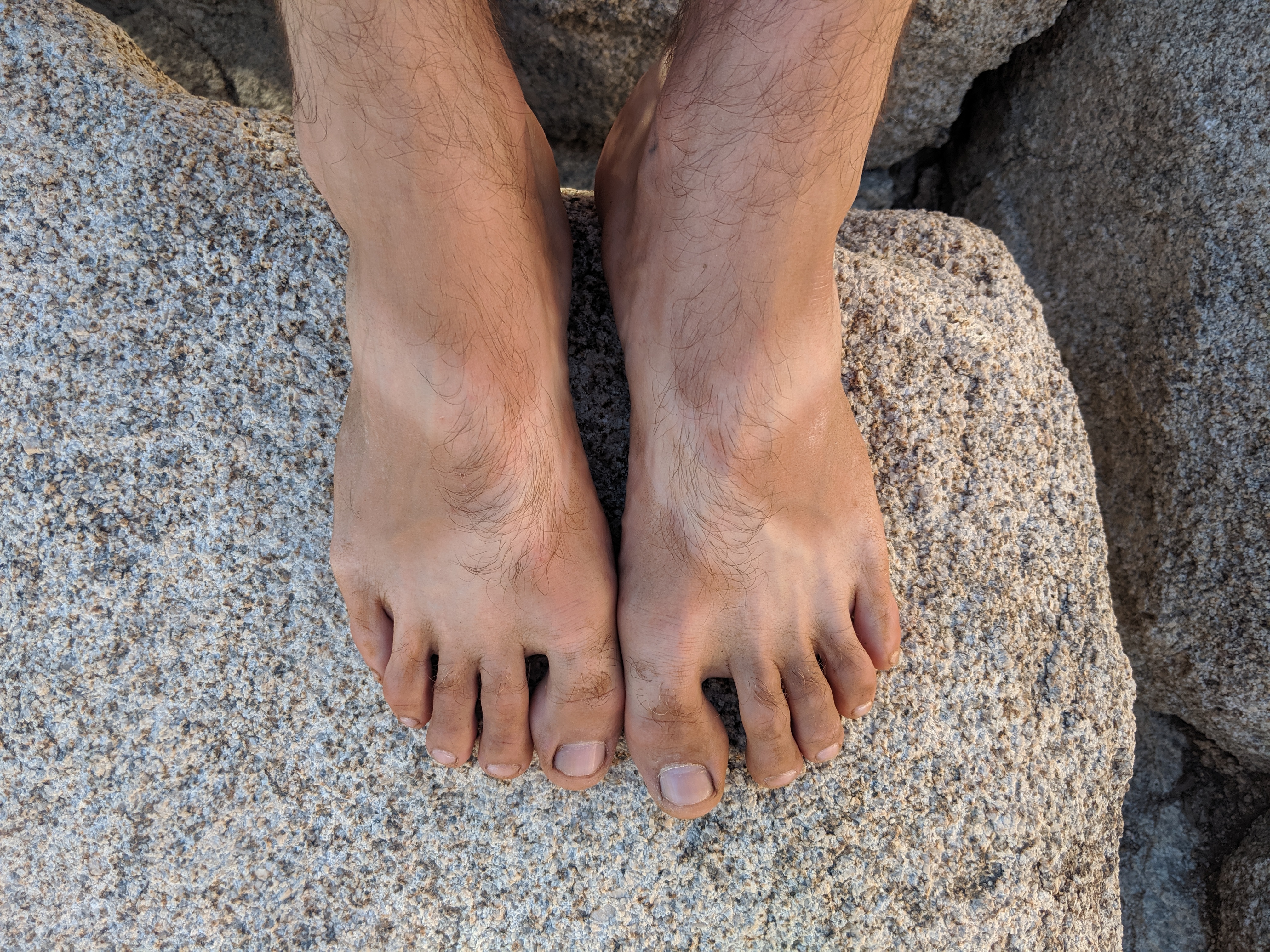
Next we’ll be heading to Santa Barbara for a little dose of perfect weather (and to see some dear friends and family). Will we stop in L.A. and get famous real quick along the way? Probably. Stay tuned.
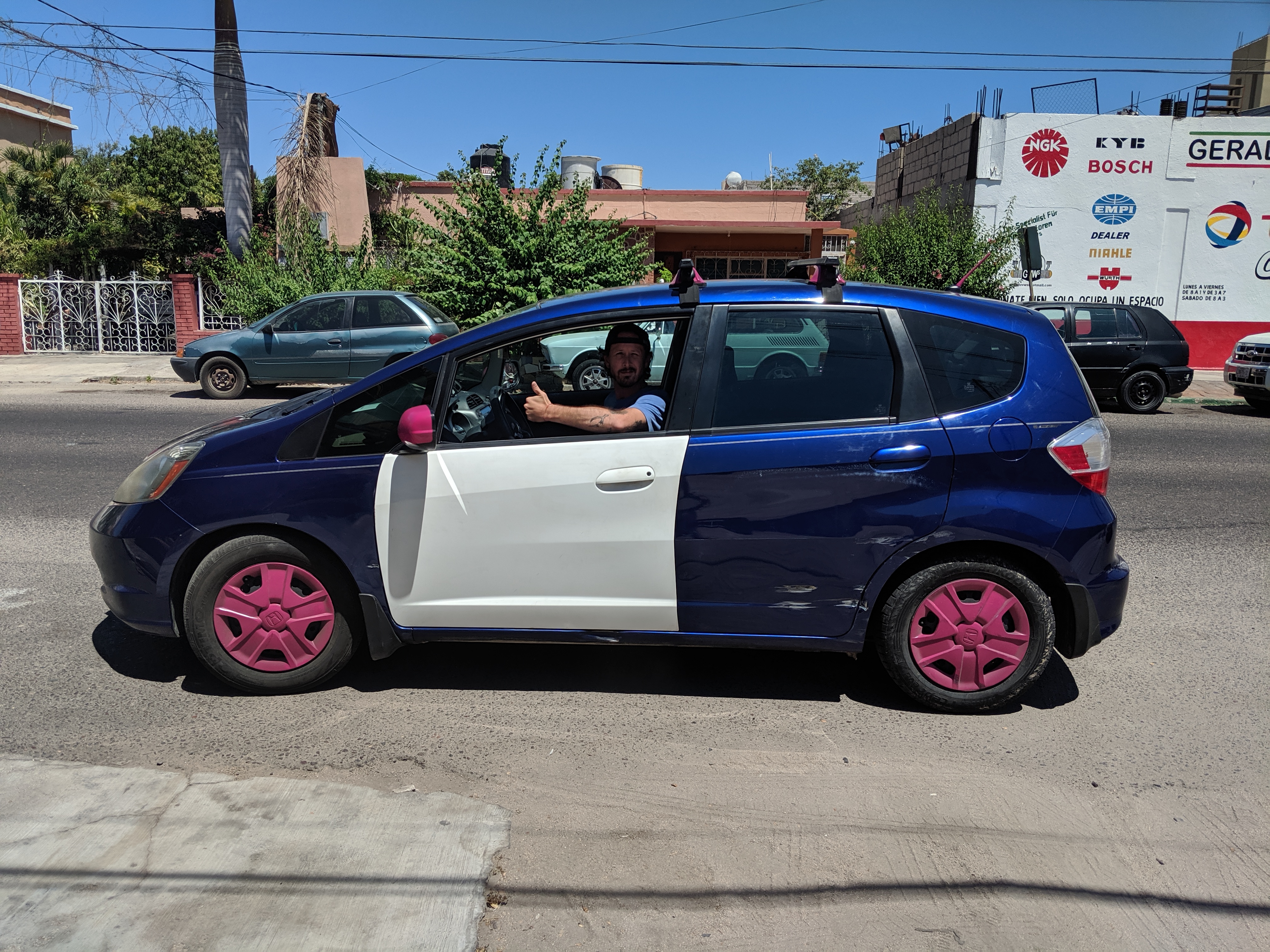
 The Good Ship Watermelon